How PrEP Became the Most Effective Tool for Ending HIV
Written by laserteam on November 3, 2026
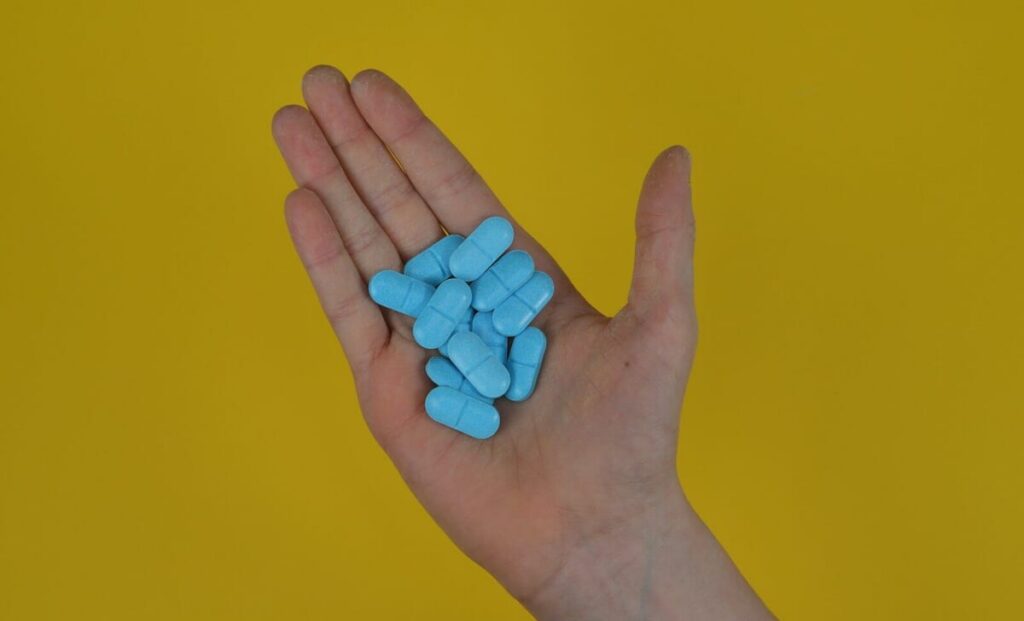
(Love B Scott) – Pre-exposure prophylaxis, better known as PrEP, is the most significant development in HIV prevention. Today, PrEP can dramatically reduce the risk of acquiring HIV, but its history began with a relatively simple idea: could medicines used to treat HIV also be taken by people who do not have HIV to prevent infection?
Researchers began studying whether HIV medicines could prevent infection before exposure. A major step came in 2010, when studies showed that antiretroviral medicines could help prevent HIV. The CAPRISA 004 study in South Africa found that a vaginal gel containing tenofovir reduced the risk of HIV infection among women who used it. That same year, the iPrEx study found that a daily pill containing tenofovir and emtricitabine reduced the risk of HIV among men who have sex with men. The study also showed that taking PrEP consistently was important for it to work well.
These results helped lead to the first approval of PrEP in the United States. In July 2012, the U.S. Food and Drug Administration approved Truvada, a combination of tenofovir and emtricitabine, for use as PrEP. Truvada had originally been approved as a treatment for HIV in 2004. Its approval for prevention was an important change because it gave people without HIV a medication they could take to reduce their risk of becoming infected.
PrEP options continued to expand. In 2019, the FDA approved Descovy, another daily pill, for PrEP for certain people at risk of getting HIV through sex. In 2021, the FDA approved Apretude, the first long-acting injectable PrEP medication in the United States. It is given as an injection every two months after the initial doses, providing an alternative to taking a daily pill.